I always wondered where they came from and what kind of species they were.
(1)
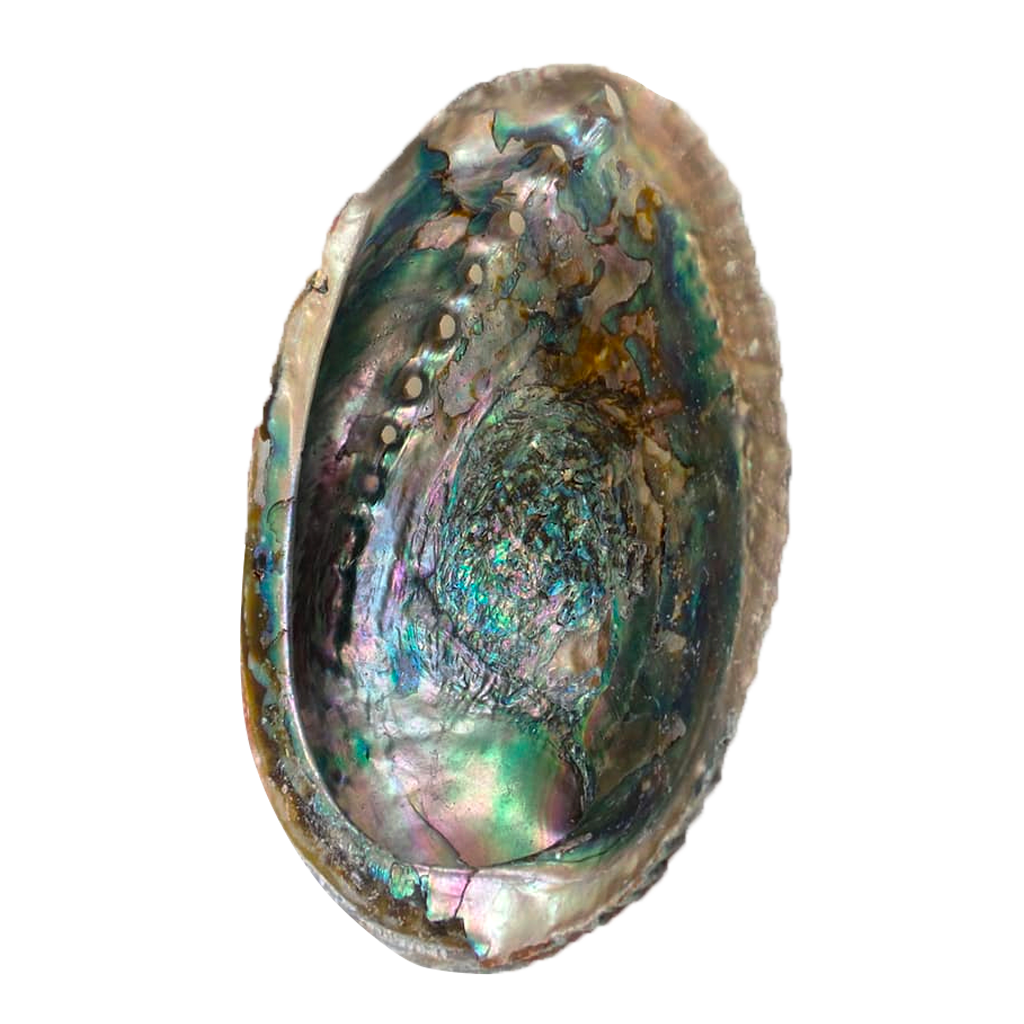
Abalone shells are also known as sea ears or ormers. They resemble a large clam, except for the spiral whorl. All abalones have natural holes that run along one side. The mollusks that create these shells use the holes to breathe. Sea water is drawn in under the edge of the sea shell as it passes over the gills and leaves through the natural holes. They are usually found attached to rocks by a large muscular foot, mostly in shallow water. The foot is edible and highly esteemed. Copyright© 2004 - 2022 Naples Sea Shell Company ®
(2)
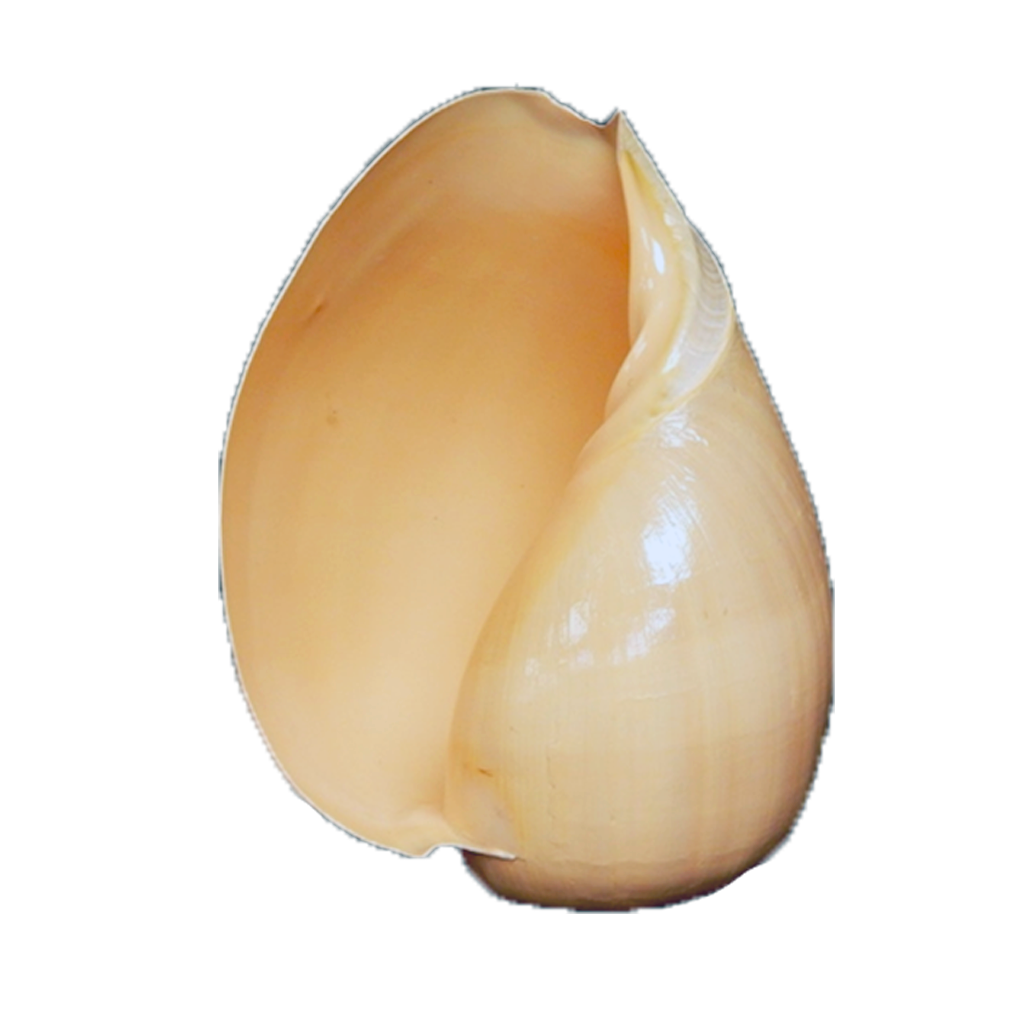
Volutes are attractive sea shells with distinctive markings. The name volute in Latin is voluta. It means forming a spiral curve or curves. Volute sea shells are spiral vase like shells with an aperture which is rather wide. The inner lip has three or four plaits. (Grooves, teeth or folds.) They're also noted for having a bulbous initial whorl at the apex or tip of the shell that looks like a shiny nub. Copyright© 2004 - 2022 Naples Sea Shell Company ®
(3)
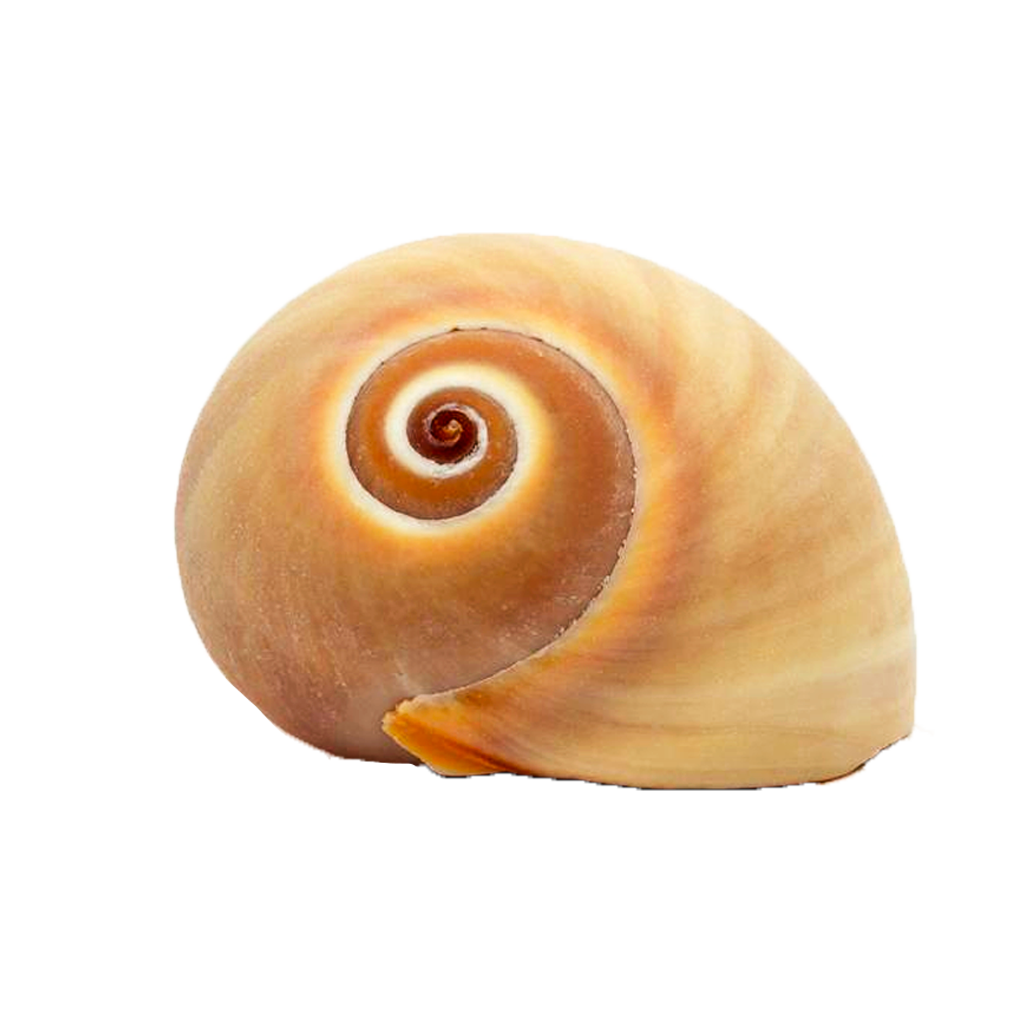
Moon shells which are sometimes called natica shells are carnivorous sand dwellers which lay eggs in a "collar" of sand and mucus. They can be found in sand or mud worldwide. Copyright© 2004 - 2022 Naples Sea Shell Company ®
(4)
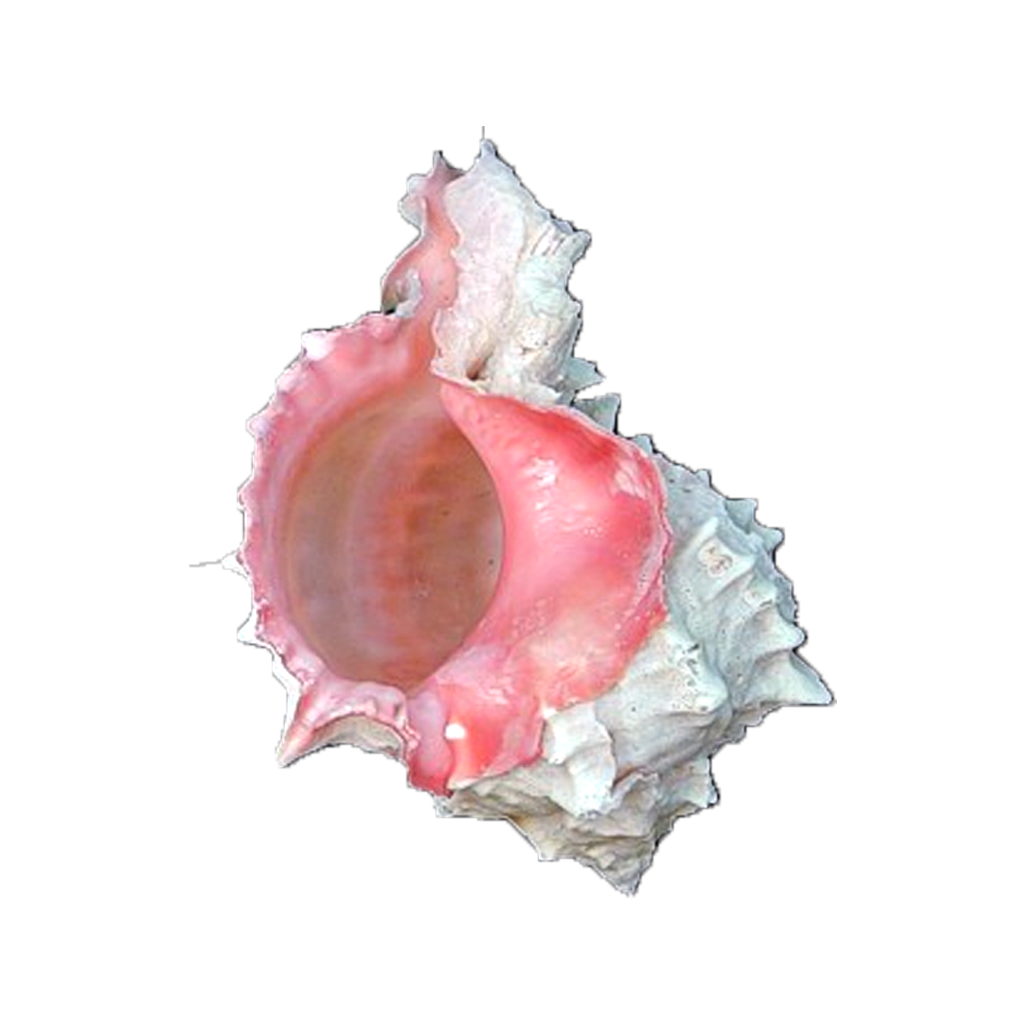
Murex seashells are famous for their fantastic variety of ornamentation and sculpture. They rate high in popularity with collectors. Many are colorful, but the majority are rather plainly colored, their beauty being in the wonderful frondose spines, webbed wings, lacy frills, and knobby whorls. Murexes occupy a multitude of habitats from the Tropics to Polar regions. They feed on other mollusks, especially bivalves and are found on sandy mud flats. Copyright© 2004 - 2022 Naples Sea Shell Company ®
(5)
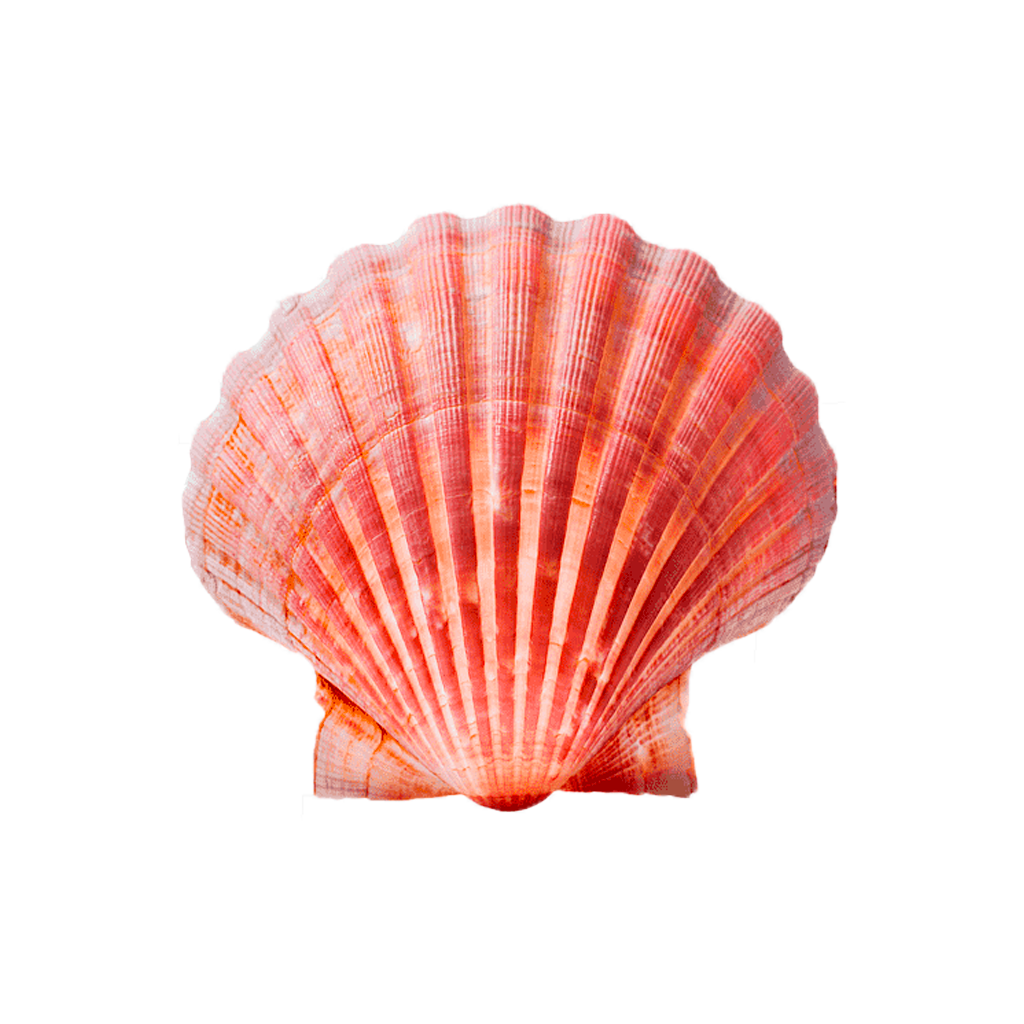
Scallop seashells are marine bivalve mollusks which are similar to oysters and clams. The difference is scallop can swim by opening and closing their shells. By snapping their shells together, they propel themselves rapidly in a zigzag direction. Most are tropical, but a few live in polar waters. Scallops are fished commercially for the large single muscle which is excellent eating. Copyright© 2004 - 2022 Naples Sea Shell Company ®
You can visit the